
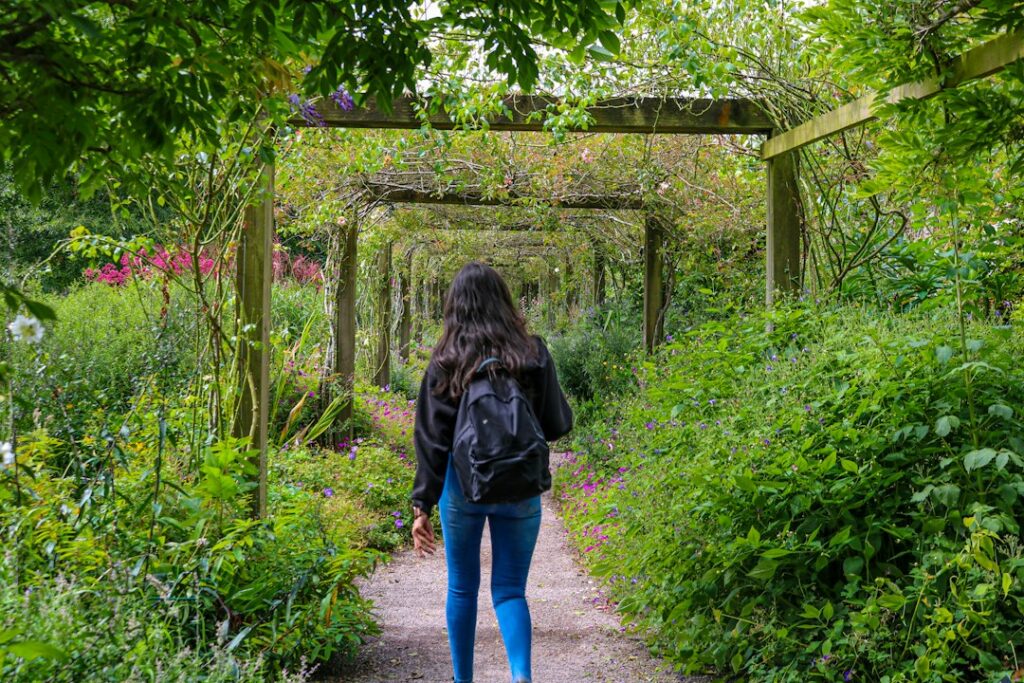
Ireland‘s reputation rests on rugged coastlines, ancient ruins, and lively trad sessions. But tucked behind stone walls, down winding country lanes, and within the grounds of grand estates, another dimension of the island waits: its extraordinary gardens. These are places where Gulf Stream warmth nurtures exotic plants that have no business thriving this far north, where centuries-old design meets wild Irish beauty, and where you can spend an afternoon lost in color, fragrance, and quiet wonder.
Watch: the latest film
The Irish County Names: What All 32 Mean
Why Irish Gardens Are Unlike Anywhere Else
Ireland’s mild, wet climate and the warming influence of the Gulf Stream create growing conditions found almost nowhere else in Europe. This allows gardens here to cultivate species from the southern hemisphere—tree ferns from New Zealand, Chilean palms, South African proteas—alongside traditional roses, rhododendrons, and native woodlands.
The result is a palette of textures and colors that shift dramatically with the seasons. Spring brings carpets of bluebells and explosive rhododendron blooms. Summer fills borders with lupins, foxgloves, and towering gunnera. Autumn paints the maples and Japanese acers in shades of copper and gold. Even winter offers sculptural evergreens and the stark beauty of bare stone and water.
Irish garden design also reflects layers of history. Many estates were shaped by wealthy Anglo-Irish families in the 18th and 19th centuries, bringing back seeds and specimens from global expeditions. Others have been lovingly restored by passionate individuals who’ve spent decades coaxing life back into abandoned plots.
Five Gardens You Shouldn’t Miss
Powerscourt Estate, County Wicklow is Ireland’s most famous garden, and for good reason. Spread across 47 acres at the foot of the Sugarloaf Mountain, Powerscourt blends Italianate terraces, Japanese gardens, a pet cemetery, and sweeping views that take your breath away. The walled gardens burst with roses and herbaceous borders, while the estate’s walking trails lead through ancient woodlands and past the highest waterfall in Ireland. Entry is around $12, and you could easily spend half a day here.
Ilnacullin (Garnish Island), County Cork sits in Glengarriff Harbour on Bantry Bay and feels like a botanical dream floating on water. You reach it by ferry, a 10-minute ride that sets the tone for what’s to come. The island was transformed in the early 20th century into a masterpiece of formal Italianate gardens, with a casita, lily pools, and plantings of exotic species that thrive in the microclimate. Seals often lounge on rocks as you approach. The ferry and island entry together cost around $15.
Mount Usher Gardens, County Wicklow follows the River Vartry through 22 acres of informal woodland and riverside planting. There’s no strict formality here—just winding paths, suspension bridges, and over 5,000 plant species from around the world. It’s a place that feels alive and unruly in the best way, especially in spring when the azaleas and magnolias bloom. Entry is about $10.
Kylemore Abbey Gardens, County Galway in Connemara offers a restored Victorian walled garden set against the backdrop of one of Ireland’s most photographed buildings. The gardens were built in the 1860s and include working glasshouses growing grapes, peaches, and exotic flowers. The estate also features a woodland walk through rhododendron groves and along the lakeshore. Combined abbey and garden entry runs around $16.
Mount Stewart, County Down on the shores of Strangford Lough is a National Trust property with gardens influenced by Lady Edith, who created themed areas including the Shamrock Garden, the Sunken Garden, and the Spanish Garden. The microclimate allows Mediterranean and subtropical plants to flourish. Rare trees, topiary animals, and colorful borders make this one of the most distinctive gardens in Ireland. Entry is approximately $14.
When to Visit and What to Bring
Most Irish gardens are open from March through October, with peak season running May to September. Spring offers the drama of flowering trees and bulbs; summer brings full borders and long evenings; autumn delivers foliage and a quieter atmosphere.
Wear comfortable walking shoes—paths can be uneven, graveled, or grassy. Bring layers and a rain jacket, even in summer. Irish weather changes quickly, and many gardens offer little indoor shelter. If you’re a keen gardener, pack a notebook. You’ll want to jot down plant names and design ideas.
Check opening times in advance, especially for smaller or privately owned gardens. Some require advance booking, particularly during busy summer months.
Beyond the Famous Names
Ireland is dotted with lesser-known gardens worth seeking out. The Lost Gardens of Kells in County Meath combine historical ruins with contemporary sculpture and landscaping. Lismore Castle Gardens in County Waterford offer dramatic yew walks and stunning riverside views. Ballymaloe Cookery School Gardens in East Cork grow herbs, vegetables, and fruit used in the school’s kitchens, open for tours seasonally.
Many smaller country house gardens open only a few days each month or by appointment. These visits often feel personal and unhurried, with owners sharing stories and cuttings.
Ireland’s gardens reveal a side of the island that complements the wild beauty of its coasts and mountains. They’re places of intentional beauty, quiet contemplation, and horticultural ambition. Whether you’re a passionate gardener or simply someone who appreciates a beautiful space, these green sanctuaries offer something unforgettable.
Ready to plan your Irish garden tour? Download the free guide The Ireland Bucket List: 25 Places That Will Stop You In Your Tracks at irishvideos.com/subscribe, and explore more of Ireland’s beauty on the Love Ireland channel on YouTube.