
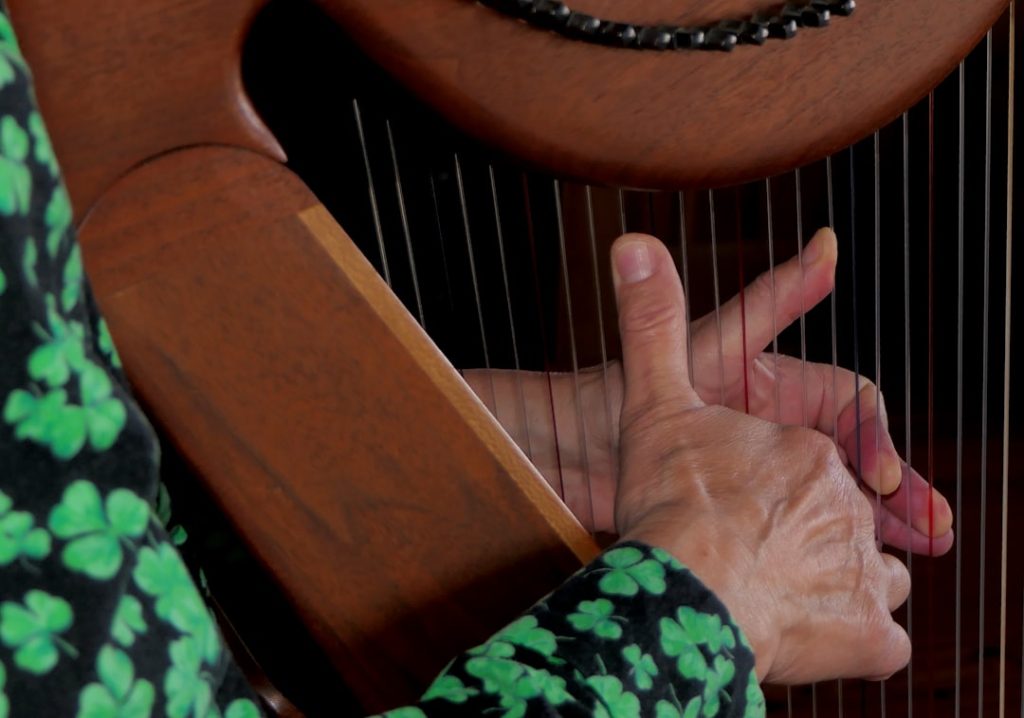
Every summer, a quiet transformation happens across County Clare. Villages like Miltown Malbay, Ennis, and Kilrush fill with the sound of fiddles being tuned, flutes testing scales, and the rhythmic tap of bodhrán drums echoing from community halls and front porches. This is music school season in Clare, and for thousands of musicians from Boston to Tokyo, it’s the trip of a lifetime.
Watch: the latest film
Dun Aonghasa: The Irish Fort With No Back Wall (True Story)
The Clare Music Tradition
County Clare isn’t just any place to learn Irish music. It’s the place. This is the home of legends like Willie Clancy, Micho Russell, and the Kilfenora Céilí Band. The music here didn’t come from books or conservatories—it was passed down in kitchens, at crossroads dances, and in sessions that lasted until dawn.
Today’s music workshops continue that tradition of direct transmission. At schools like the Willie Clancy Summer School in Miltown Malbay, the Scoil Samhraidh Willie Clancy brings together over 1,500 students each July for a week of intensive classes in fiddle, flute, tin whistle, uilleann pipes, concertina, bodhrán, harp, and song. Teachers are working musicians—people who learned from the masters and play sessions year-round.
What makes these workshops different from online tutorials or music camps back home is simple: immersion. You’re not just learning tunes. You’re learning them in the place they were born, from people who breathe this music daily.
A Day at Music School
Mornings begin with classes organized by skill level. Beginners might spend an hour learning “The Bucks of Oranmore” phrase by phrase, played slowly until muscle memory kicks in. Advanced students tackle ornamentation—the rolls, cuts, and triplets that give Irish music its distinctive voice.
There are no written scores in most traditional classes. Teachers play a phrase, students echo it back. This ear-based learning—the way music was taught for centuries—forces you to really listen, to catch not just the notes but the swing, the breath, the personality of the tune.
Afternoons often include lectures on music history, sean-nós singing workshops, or set dancing classes where you learn the choreography that once accompanied these reels and jigs. But the real education happens after dinner.
The Sessions That Change Everything
By 9 p.m., every pub in the village hosts a session. Not performances—sessions. Musicians gather in circles, someone starts a tune, others join in if they know it. There’s an unspoken etiquette: listen before you play, respect the pace, don’t showboat.
For students, these sessions are where classroom learning meets living tradition. You might find yourself sitting next to a seventy-year-old concertina player from Doolin who learned from her grandmother, or a teenager from Ennis who’s already won All-Ireland medals. The music flows between generations without hierarchy—only respect for the tune and the tradition.
At places like Friel’s Bar or Linnane’s during Willie Clancy week, sessions can include fifty musicians or more, the sound building like a wave. You learn by doing, by making mistakes, by finding your place in the collective sound. It’s humbling and exhilarating in equal measure.
Why Musicians Keep Coming Back
Talk to anyone who’s attended music school in Clare, and they’ll tell you it changed how they understand Irish music. The experience goes beyond technique. You learn the social fabric of the tradition—how tunes travel between musicians, how regional styles differ, why certain ornaments belong to certain places.
You also learn that Irish music is a living, evolving art form. Yes, there’s reverence for the old masters, but there’s also innovation. Young players are composing new tunes in traditional styles, incorporating influences from jazz and classical music while maintaining the essential character that makes a tune unmistakably Irish.
Many schools offer accommodation packages (around $600–$900 for the week including classes), or you can arrange your own lodging in local B&Bs. The Ennis area hosts several schools throughout the summer, making it easy to combine music education with exploring the Burren’s lunar landscapes or the Cliffs of Moher just down the road.
Whether you’re a beginner curious about the tin whistle or an experienced player wanting to deepen your understanding of Clare-style fiddle, these workshops offer something no online class can match: the chance to drink from the source, to learn music in the landscape and culture that shaped it, and to join a community that spans the globe but always comes home to Clare.
If Ireland has a hold on you, two things are worth your time. First, our free guide The Ireland Bucket List — 25 places that will stop you in your tracks, sent straight to your inbox. Second, the Love Ireland channel on YouTube, where we tell the stories behind these places in short films.