
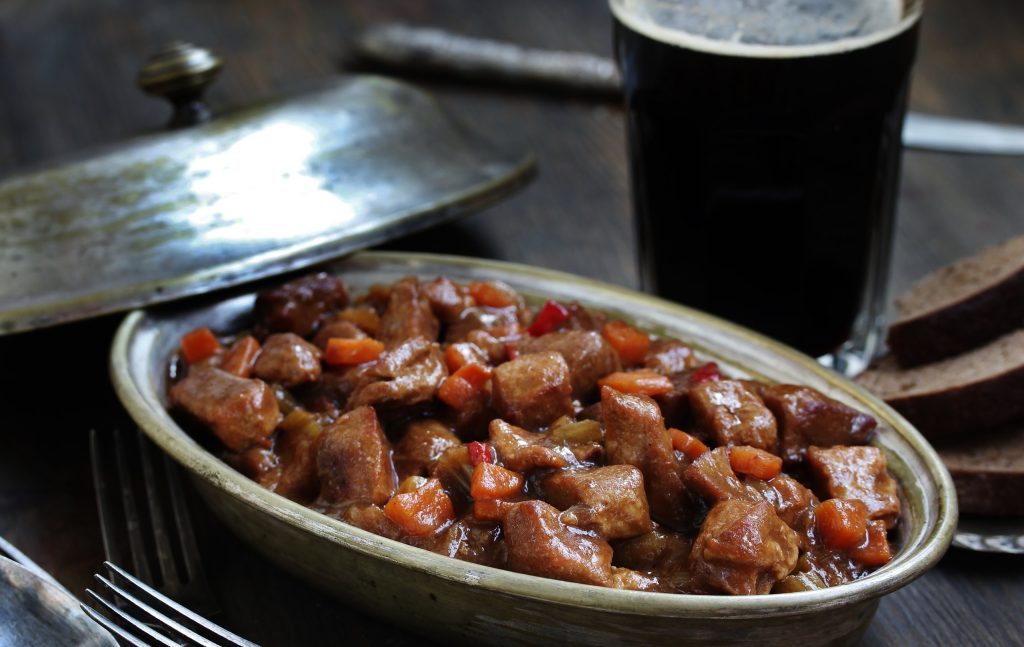
Walk into any Irish kitchen where bread is being made the traditional way, and you’ll likely find a blackened cast iron pot sitting over glowing turf or nestled in a hot oven. This isn’t nostalgia for its own sake. The heavy iron creates the exact conditions that turn four simple ingredients into the crusty, tender loaf that defines Irish baking.
Watch: the latest film
The Irish County Names: What All 32 Mean
Irish soda bread doesn’t rely on yeast or long rising times. Instead, it uses bicarbonate of soda (baking soda) reacting with the acid in buttermilk to create the lift. Mixed quickly and baked immediately, the dough transforms in intense, even heat. That’s where cast iron proves irreplaceable.
The Science Behind the Pot
Cast iron holds and distributes heat differently than modern baking sheets or lightweight pans. The thick walls absorb energy and radiate it steadily from all sides, creating an oven within an oven. When you place a round of soda bread dough into a preheated pot and cover it with the heavy lid, you’re essentially recreating the conditions of a traditional bastible — the three-legged iron pot that sat directly in the hearth coals.
The result is a hard, golden crust that crackles when you tap it, and a soft, slightly dense interior that pulls apart in irregular chunks. The crust forms quickly, trapping steam inside, which keeps the crumb moist without making it gummy. You can’t quite replicate this texture in a thin metal pan or on a baking stone.
In counties like Cork, Kerry, and Galway, older generations still speak of bread baked in a bastible outdoors over a turf fire. The pot was placed on hot coals with more coals heaped on the lid. The heat came from above and below, slow and fierce, and the bread emerged with a dusting of ash and a flavor no gas oven could match.
Flour, Buttermilk, and Timing
Traditional Irish soda bread uses just four ingredients: soft wheat flour, buttermilk, salt, and bread soda. Some bakers add a pinch of sugar or a handful of oats, but purists keep it plain. The key is not to overwork the dough. Mix it just until it comes together, shape it quickly, cut a deep cross on top (to let the fairies out, as the saying goes, but really to help it bake evenly), and get it into the hot pot.
Buttermilk is essential. It provides the acidity needed to activate the soda, and its slight tang balances the sweetness of the wheat. In Ireland, you can still buy fresh buttermilk from creameries in towns like Clonakilty and Dingle. If you’re making this at home elsewhere, look for full-fat cultured buttermilk, not the thin substitutes.
The dough should be soft and slightly sticky, but not wet. When you turn it into the pot, it should hold its shape. Bake it covered for the first 30 minutes, then uncover it for the final 10 to 15 minutes to let the crust darken and firm up. You’ll know it’s done when it sounds hollow if you knock on the bottom.
Where to Taste the Real Thing
If you want to taste soda bread made the old way, head to farmhouse B&Bs in the west of Ireland. Places like Ballymaloe House in County Cork still bake daily in cast iron. The Burren Smokehouse in Lisdoonvarna serves thick slices with smoked salmon. In Galway, the stalls at the Saturday market often have loaves still warm from home ovens.
You’ll also find it at traditional music sessions in pubs across Clare and Donegal, where a basket of brown bread and butter appears on the table alongside pints. It’s not fancy. It’s fuel, comfort, and a link to every generation that came before.
Some bakeries have started using modern deck ovens, and while the bread is good, it lacks the character of a pot-baked loaf. The crust is thinner, the crumb more uniform. Cast iron leaves its mark — a slight unevenness, a deeper color, a taste that lingers.
Why It Still Matters
Irish soda bread represents a kind of baking that doesn’t require specialized equipment or imported ingredients. It was born out of necessity — cheap, fast, and made with what was available. But it endures because it’s also delicious, adaptable, and deeply tied to the rhythms of Irish life.
Baking it in cast iron connects you to that history. The pot doesn’t just conduct heat. It holds memory. The same design that worked over a hearth fire in a stone cottage in 1920 works just as well in a kitchen in Brooklyn or Melbourne today. You don’t need to be in Ireland to make this bread, but understanding where it comes from makes every slice taste better.
If you’re serious about baking soda bread, invest in a good cast iron pot with a lid — a Dutch oven works perfectly. Preheat it until it’s almost smoking, then work quickly. The dough will sizzle when it hits the iron. That sound is the beginning of something worth waiting for.
Ready to discover more about Ireland’s traditions, landscapes, and hidden stories? Download your free guide, The Ireland Bucket List: 25 Places That Will Stop You In Your Tracks, and explore beautiful Irish culture and scenery on the Love Ireland channel on YouTube.